With the rise of remote and hybrid work, people are spending more time at their desks than ever before. Whether you’re an employee, business owner, designer, or software developer, the chair you sit in is no longer just another piece of furniture—it plays a significant role in your comfort, health, and overall productivity.
According to ergonomic experts and leading healthcare organizations such as the Mayo Clinic, choosing the right office chair and adjusting it properly can help reduce strain on your back, neck, and joints while improving comfort during long working hours. If you’re trying to decide between a home office chair and a professional office chair, this guide will help you make the right choice.

First: What Is a Home Office Chair?
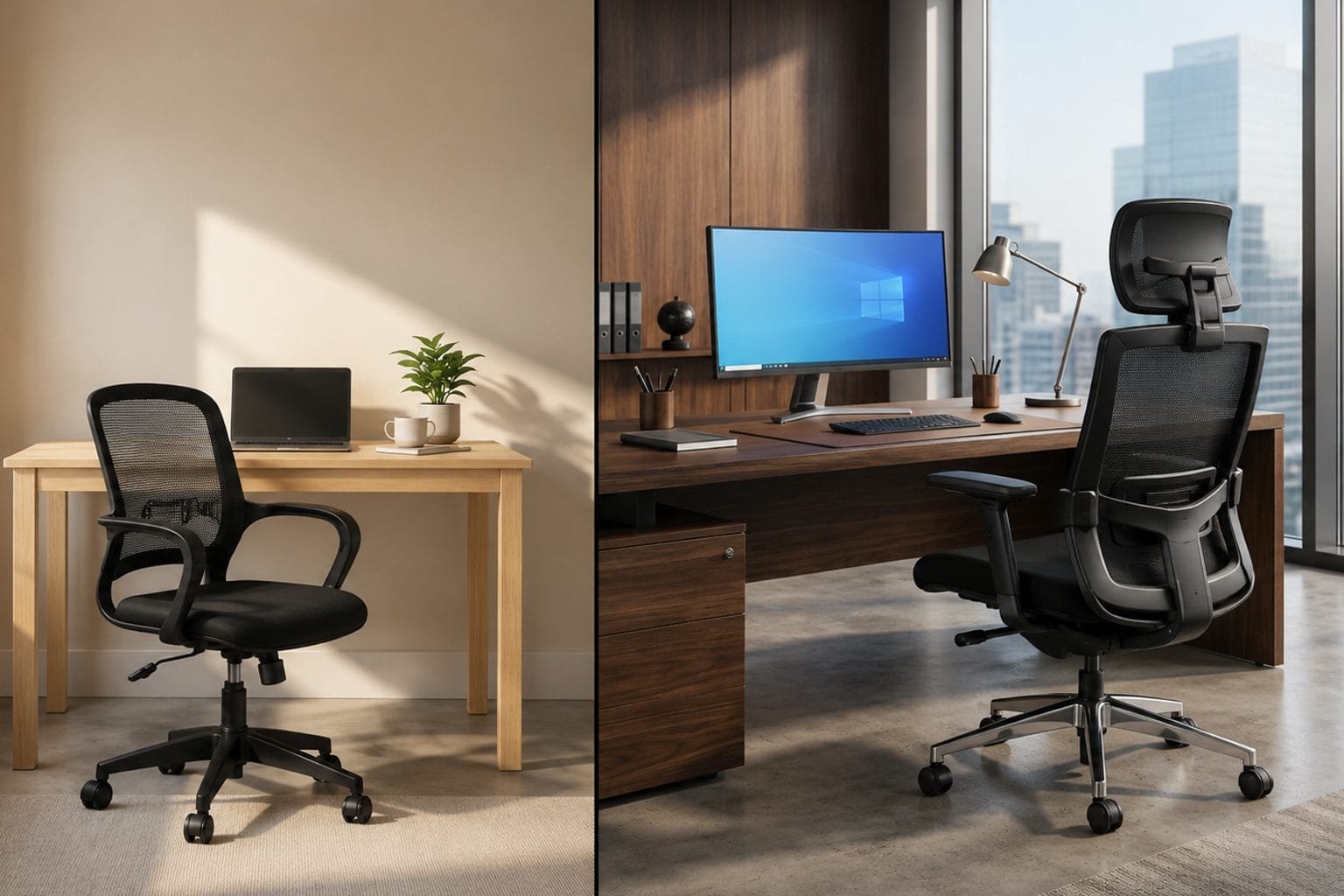
A home office chair is designed for light to moderate daily use in a home workspace. It typically features a compact footprint, an affordable price point, and a design that blends seamlessly with residential interiors.
Advantages
- Budget-friendly and cost-effective.
- Compact size, ideal for small spaces.
- Modern designs that complement home décor.
- Suitable for approximately 3 to 5 hours of daily use.
Disadvantages
- Limited adjustment options.
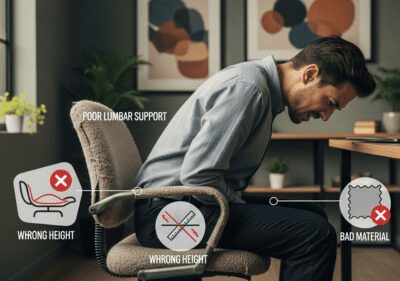
- Less lumbar support compared to professional office chairs.
- May not provide adequate comfort for people who spend long hours sitting every day.

Second: What Is a Professional Office Chair?
A professional office chair is specifically engineered to withstand intensive, all-day use, offering a significantly higher level of comfort, support, and durability than a standard office or home chair. It’s designed to promote proper posture, reduce fatigue, and enhance productivity during extended work sessions.
A professional office chair typically includes:
- Adjustable lumbar support to maintain the natural curve of the lower back.
- Height adjustment for proper seating posture.
- Reclining and tilt adjustment for greater comfort throughout the day.
- Adjustable armrests to reduce strain on the shoulders and wrists.
- High-quality, durable materials built to withstand years of daily use.
According to ergonomic guidance from the Mayo Clinic, an adjustable chair that supports the natural curve of the spine can help reduce the physical strain associated with prolonged sitting, making it an essential investment for anyone who spends long hours at a desk.

Home Office Chair vs. Professional Office Chair
| Feature | Home Office Chair | Professional Office Chair |
|---|---|---|
| Recommended Daily Use | Up to 5 hours | 6–10+ hours |
| Comfort | Good | Excellent |
| Back Support | Basic | Advanced ergonomic support |
| Adjustability | Limited | Extensive adjustment options |
| Durability | Moderate | Long-lasting, built for daily use |
| Price | More affordable | Higher initial investment |
Which One Is Right for You?
A home office chair is a great choice if you:
- Work remotely on a part-time basis.
- Spend only a few hours a day at your computer.
- Have a compact workspace.
- Are looking for a budget-friendly option.
On the other hand, if you spend most of your day at your desk or rely on your workstation to perform your job, a professional office chair is the smarter long-term investment.
Why Is a Professional Office Chair Worth the Investment?
While a professional office chair may come with a higher upfront cost, it delivers greater value over time.
Instead of replacing your chair every few years—or dealing with back and neck discomfort caused by poor seating—you benefit from:
- Greater all-day comfort.
- Improved focus and productivity.
- Better ergonomic support for your spine.
- A longer product lifespan.
Ergonomic experts also emphasize that the chair is only one part of a healthy workstation. For the best results, you should also position your monitor at the correct height, keep your keyboard and mouse properly aligned, maintain good sitting posture, and take regular breaks throughout the workday.
Don’t Let Price Be Your Only Decision Factor
One of the most common mistakes people make is choosing the cheapest chair without considering its build quality, ergonomic features, or long-term comfort.
Before purchasing a new office chair, ask yourself:
- Does it provide proper lumbar support?
- Is the seat height adjustable?
- Can the backrest recline or tilt?
- Are the materials durable enough for everyday use?
- Does it come with a reliable warranty?
If the answer to these questions is yes, you’re investing in more than just a chair—you’re investing in your comfort, health, and long-term productivity.

Frequently Asked Questions
Is a professional office chair necessary for working from home?
If you spend more than six hours a day working at your computer, the answer is yes. A professional office chair provides the ergonomic support and long-lasting comfort needed to help reduce fatigue and strain during extended work sessions.
Is the most expensive office chair always the best choice?
Not necessarily. The best chair is one that meets your specific needs while offering essential ergonomic features such as lumbar support, adjustable seat height, quality construction, and long-term comfort—regardless of its price.
How long does a professional office chair last?
The lifespan depends on the chair’s build quality, materials, and how it’s used. However, a well-made professional office chair built to high standards will typically last significantly longer than a budget office chair, making it a better long-term investment.

Conclusion
Whether you work from home or in a traditional office, choosing the right chair isn’t a luxury—it’s an investment in your health, comfort, and productivity.
If you only spend a few hours at your desk each day, a home office chair may be all you need. However, if you spend most of your workday in front of a computer, a professional office chair offers superior ergonomic support, greater comfort, and a longer lifespan, making it the more cost-effective choice in the long run.
Ultimately, the best office chair isn’t necessarily the most expensive one—it’s the one that properly supports your body, matches the way you work, and meets your daily seating needs. Prioritize ergonomics, adjustability, and build quality, and you’ll be investing in your well-being for years to come.

المراجع والدراسات
References & Studies
For more information about office ergonomics, workstation setup, and choosing the right office chair, you can refer to the following trusted resources:
- Mayo Clinic – Office Ergonomics: Your How-To Guide
- Mayo Clinic News Network – Home Office Ergonomics Tips
- Mayo Clinic Health System – 5 Tips for Setting Up Your Home Workspace